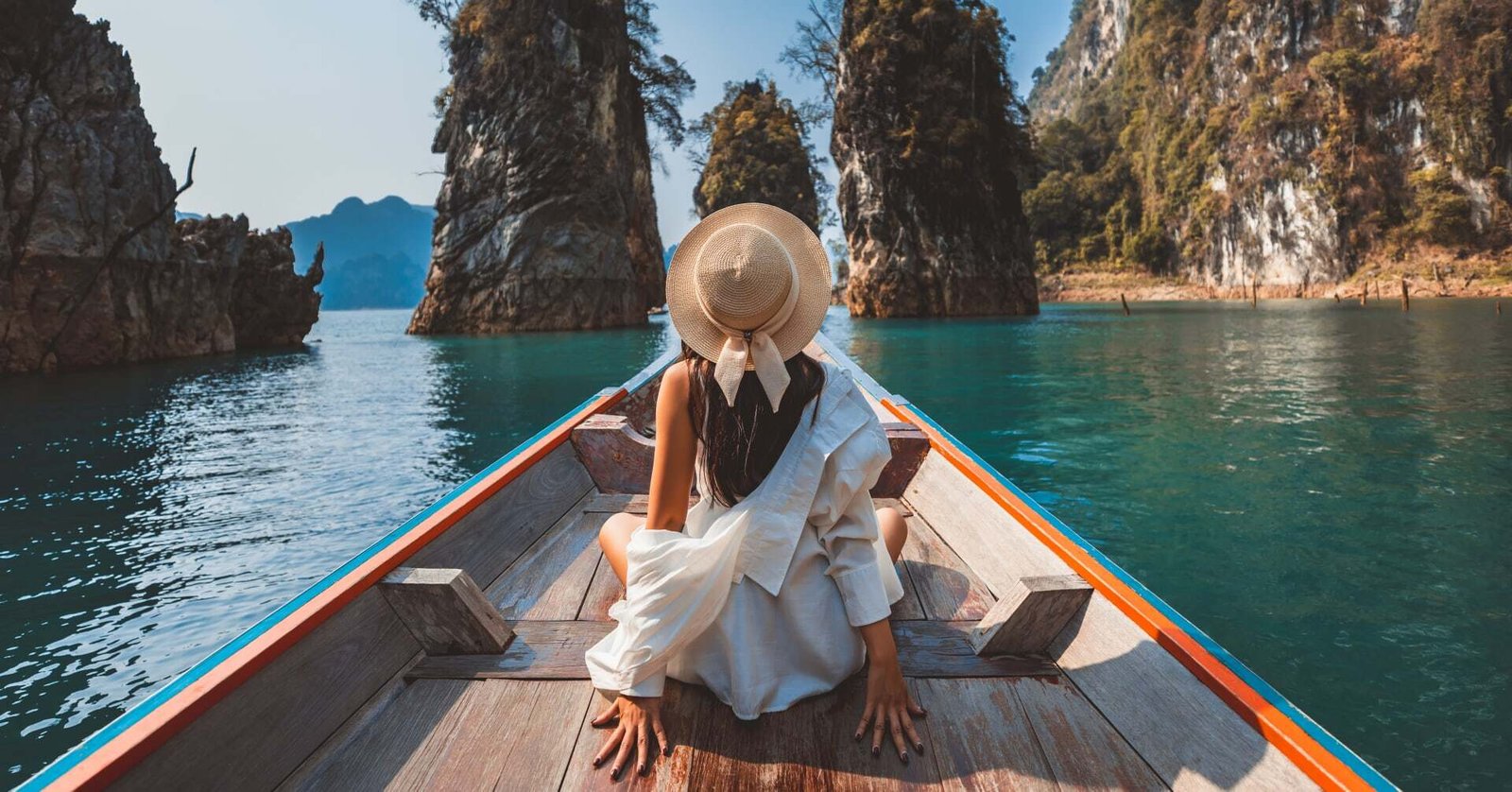
Travel is more than just moving from point A to point B; it is a collection of moments, a tapestry of experiences woven through the times you dare to explore the unknown. In the modern era of digital fatigue and mass tourism, the yearning for authentic, soul-stirring adventures has never been greater. Enter Tsunaihaiya Travel Adventures—a philosophy, a guide, and your ultimate journey planner for discovering the world’s hidden corridors.
Whether you are a solo backpacker navigating the cobblestones of Eastern Europe, a family seeking the Northern Lights, or a luxury traveler craving untouched tropical archipelagos, Tsunaihaiya is designed to recalibrate how you plan, execute, and remember your trips. This article will serve as your master blueprint, covering strategic planning, immersive experiences, cultural integration, and logistical mastery.
The Philosophy of Tsunaihaiya: Why Planning Matters
Before we dive into itineraries, we must understand the “why.” The name Tsunaihaiya evokes a sense of binding connection—between the traveler and the terrain, between modern efficiency and ancient pathways. Statistics show that 68% of travelers report higher satisfaction levels when their trips were planned at least three months. Yet, in many times, spontaneity is mistaken for chaos.
The Tsunaihaiya method rejects the “one-size-fits-all” travel package. Instead, it acts as your journey planner by breaking down adventures into three distinct pillars: Discovery, Logistics, and Transformation.
Pillar 1: Discovery (The Where & When)
You must ask yourself: What times of year align with your destination’s soul? Visiting Kyoto during cherry blossom season offers ethereal beauty but requires bookings six months out. Visiting Patagonia in December (their summer) offers 18 hours of daylight but comes with peak pricing. Tsunaihaiya suggests using a “seasonality matrix”—a tool where you weigh crowd density, weather patterns, and local festivals.
Pillar 2: Logistics (The How)
This is where most travelers crack under pressure. Flight comparisons, visa paperwork, vaccine requirements, and transfer windows. A Tsunaihaiya journey planner uses a “reverse timeline” technique. Start from the day you return home and work backwards, allocating buffer times for jet lag, lost luggage, and spontaneous detours.
Pillar 3: Transformation (The Why)
Vacations relax you; adventures change you. The ultimate goal of Tsunaihaiya is to return home with a new skill, a new friend, or a new perspective. This requires building “white space” into your schedule—unplanned hours where you can follow a local’s recommendation or get lost in a market.
Mastering the 4-Hour Rule: A Tsunaihaiya Technique
One of the most powerful tools in the Tsunaihaiya arsenal is the “4-Hour Rule.” In many times, travelers overload their daily itineraries with six or seven activities, resulting in burnout by day three. The rule is simple: No single day should contain more than four hours of structured, time-sensitive activities.
For example, a bad itinerary looks like this:
-
9:00 AM: Colosseum tour (2 hours)
-
11:30 AM: Vatican Museums (3 hours)
-
3:00 PM: Lunch (1 hour)
-
4:00 PM: Spanish Steps
-
7:00 PM: Dinner show
This leaves zero room for error. A Tsunaihaiya-optimized day looks like this:
-
10:00 AM – 12:00 PM: Colosseum (2 hours)
-
12:00 PM – 4:00 PM: Open block (Lunch + wandering Trastevere)
-
4:00 PM – 6:00 PM: Borghese Gallery (2 hours)
-
Evening: Free
By respecting the 4-Hour Rule, you create resilience. If a train is delayed or a museum line is long, you haven’t ruined the day. You have simply shifted the unstructured block.
Destination Deep Dive: Three Signature Tsunaihaiya Routes
To illustrate the planner in action, let us explore three distinct “Adventure Archetypes.” These are curated pathways that balance famous landmarks with off-grid secrets.
Route 1: The Volcanic Vein (Indonesia)
Duration: 12 days
Best times: April to October (Dry season)
The Plan:
Start in Bali, but leave immediately for East Java. While most times tourists stay in Seminyak, the Tsunaihaiya adventurer heads to Mount Bromo at 3:00 AM for a sunrise that changes your molecular structure. From there, take the ferry to Lombok, not for the beaches, but for the traditional Sasak villages.
Tsunaihaiya Tip: Do not book the “Kawah Ijen” blue fire tour through your hotel. Instead, negotiate directly with local tuk-tuk drivers at 1:00 AM. You will save 60% and get a guide who actually lives on the volcano.
Social Integration: Share your sunrise shots on Tsunaihaiya’s official community feed. Follow their social accounts for real-time weather updates: Instagram: @tsunaihaiya and Twitter/X: @tsunaihaiya. They post daily “Golden Hour Alerts” for photographers.
Route 2: The Ancient Crossroads (Turkey)
Duration: 10 days
Best times: May, September, early October
The Plan:
Avoid the cruise ship crowds in Istanbul’s Sultanahmet district by staying in Kadıköy (Asian side). Use the ferries—not just for transit, but as a moving meditation. In Cappadocia, the instinct is to book a hot air balloon for sunrise. The Tsunaihaiya secret? Book for the second flight of the morning (around 8:00 AM). The sunrise balloons are overcrowded; the later flights have better wind stability and half the passengers.
The Lycian Way Hack: Instead of the crowded Chimera flames, hike the western leg of the Lycian Way from Cirali at dusk. Arrive at the rock flames around 9:00 PM on a Monday (least crowded times). You get the hissing methane vents entirely to yourself.
Route 3: The Nordic Silence (Norway)
Duration: 7 days (Winter)
Best times: Late November to January for Polar Night
The Plan:
Base yourself in Tromsø, but do not take the expensive “Northern Lights buses.” Instead, rent a car or join a small-group “chase” limited to 6 people. Tsunaihaiya’s planner highlights that the most successful aurora hunters follow a “wind and KP-index” protocol—leaving the city between 10:00 PM and 2:00 AM.
The Husky Detour: Many times, tourists do the standard 1-hour dog sledding tour. Tsunaihaiya suggests the “overnight cabin” version. You drive the sled to a remote Sami cabin, cook dinner over a fire, and listen to the pack howl at the magnetic sky. This is transformation, not just tourism.
Budgeting for the Unexpected: The Tsunaihaiya Reserve
Financial stress is the number one killer of adventure. The ultimate journey planner always includes a “Psy-Ops Budget.” This is not an emergency fund for medical evacuations (you should have insurance for that). It is a psychological safety net.
The Formula: Take your total trip budget. Subtract flights and accommodation. Divide the remainder by the number of days. That is your “daily burn.” Now, multiply that daily burn by 1.5. That extra 50% is your Tsunaihaiya Reserve.
Why? Because in many times, you will encounter an unmissable opportunity: a private guide to a closed temple, a hand-woven rug from a master artisan, or a helicopter ride over a fjord because the weather just cleared. If you have no reserve, you experience FOMO (Fear Of Missing Out). If you have the reserve, you experience empowerment.
Real-world example:
-
Planned daily spend: $100
-
Tsunaihaiya Reserve: $50/day
-
Total available daily: $150
-
Result: You can say “yes” to the 40cookingclass, the 20 street art tour, and still have $90 for food and transport.
Technology & Tools: Building Your Digital Planner
While Tsunaihaiya cherishes analog wandering, we live in a digital age. Here is the approved tech stack for the modern adventurer:
-
Flight Tracking: Use incognito mode. Clear cookies between searches. Set alerts for “mistake fares” on Tuesdays and Wednesdays (cheapest days to fly).
-
Offline Maps: Download Google Maps or Maps.me for the entire region you are visiting. Mark three things: Your accommodation, the nearest hospital, and the nearest 24-hour convenience store.
-
Weather Overlay: Use Windy.com. It predicts cloud cover for stargazing, wind speeds for sailing, and particulate matter for hiking visibility.
-
The Tsunaihaiya Dashboard: Follow their official channels for itinerary templates. The community on Instagram: @tsunaihaiya frequently posts “live from the field” updates about closures and secret viewpoints. Their Twitter/X: @tsunaihaiya feed is a firehose of last-minute flight deals and visa waivers.
Cultural Integration: Moving Beyond the Tourist Gaze
The difference between a traveler and a tourist is the depth of cultural immersion. Tsunaihaiya emphasizes “slow protocols.”
The 20-Minute Rule: When you arrive in a new city, do nothing for 20 minutes. Sit in a square. Listen to the rhythm. How fast do people walk? What music is playing from the cafe? What do the birds sound like? This calibrates your internal clock to the local tempo.
Language Hacks: You do not need fluency. You need five phrases: Hello, Thank you, Sorry, How much? and Delicious. In many times, attempting the local language, no matter how broken, unlocks doors that money cannot open. Shopkeepers will offer you tea; grandmas will wave you into their homes.
The Gift Economy: Carry small gifts from your home region (postcards, pins, candy). In remote villages, when you want to take a photograph of an elder or a craftsman, offer the gift first. This flips the dynamic from extraction to exchange.
Sustainability: The Tsunaihaiya Pledge
Adventure is meaningless if the destination is destroyed. The ultimate journey planner includes a green mandate.
-
Water: Carry a reusable bottle with a UV filter. In countries where tap water is unsafe, avoid small plastic bottles. Buy one 5-gallon jug for your hotel room.
-
Wildlife: Never ride elephants, swim with captive dolphins, or pet big cats. Good sanctuaries exist; they will never let you ride the animal. If you can touch it, it’s likely abuse.
-
Carbon: For every long-haul flight, donate to a verified reforestation project. Many times, $10 offsets a 2,000-mile journey.
-
Local Economy: Avoid international chains. Eat at the stall with the longest line of locals. Sleep in guesthouses owned by families, not foreign corporations.
Handling Crisis: When Plans Go Wrong
Even the best planner fails. Flights get cancelled. Monsoons arrive early. You lose your passport.
The Tsunaihaiya Crisis Protocol:
-
Stop moving. Find a cafe or bench. Anxiety makes you make bad decisions.
-
Assess the triangle: Safety, Shelter, Documents. In that order.
-
Contact your embassy via the Consular App (download it before you leave).
-
Use the backup. You scanned your passport and stored it in a secure cloud, right? You left a copy of your itinerary with family?
-
Social media lifeline. Post in the Tsunaihaiya community group (accessible via their Twitter). Many times, fellow travelers are closer than the embassy and can help with translation, a couch to sleep on, or a ride to the border.
The Pre-Departure Checklist (30, 15, 7 Days Out)
To cement your status as a Tsunaihaiya master, follow this timeline:
30 Days Out:
-
Book flights and major hotels.
-
Apply for visas (check entry requirements times three).
-
Get vaccines (some require multiple doses weeks apart).
-
Notify your bank of your travel.
15 Days Out:
-
Purchase travel insurance. Read the exclusions. Does it cover “adventure sports” like scuba or skiing?
-
Download offline media (movies, podcasts, maps).
-
Pack a “carry-on survival kit”: change of clothes, charger, wet wipes, earplugs, eye mask.
7 Days Out:
-
Stop overpacking. Lay everything out. Remove half.
-
Digital detox prep: Set your out-of-office email.
-
Print physical copies of reservations (WiFi isn’t guaranteed).
Conclusion: The Road Goes Ever On
Tsunaihaiya Travel Adventures is not a booking site or a tour operator. It is a mindset. It is the recognition that in the rushing river of daily life, the times we carve out for genuine exploration are the times that define us. By using this ultimate journey planner, you are not just arranging logistics; you are architecting memories.
The world is vast, and the old paths are worn. But the side trails—the midnight noodle stands, the dawn ferry rides, the conversations with strangers who become friends—those are waiting for you. Follow the protocols, trust the reserve fund, respect the 4-Hour Rule, and always, always leave room for the unexpected.
For daily inspiration, real-time route updates, and a community of fellow wanderers, join the adventure online.
Connect with Tsunaihaiya:
📸 Instagram: https://instagram.com/tsunaihaiya
🐦 Twitter (X): https://twitter.com/tsunaihaiya
Where will the journey take you next?
Frequently Asked Questions (FAQ)
Q1: What exactly does “Tsunaihaiya” mean?
A: Tsunaihaiya is a conceptual brand name that fuses ideas of connection (“tsunai” suggesting to tie or bind) and journey (“haiya” suggesting movement or path). It represents the philosophy of binding your travel times to authentic, local experiences rather than generic tourism.
Q2: Is Tsunaihaiya a travel agency? Can I book trips through you?
A: No, Tsunaihaiya Travel Adventures is a methodology and journey planner resource. We do not sell flights or hotels. Instead, we provide the strategic frameworks (like the 4-Hour Rule and Tsunaihaiya Reserve) to help you plan independently. For booking, use the tools and links provided in our social bios.
Q3: I only have 3 days for a trip. Is the Tsunaihaiya method still useful?
A: Absolutely. In short times, efficiency is critical. Use the reverse timeline method: Identify your top 3 non-negotiables. Everything else becomes a “bonus.” Do not try to see an entire country in 72 hours. Focus on one neighborhood or one valley.
Q4: How do I handle jet lag using Tsunaihaiya principles?
A: We advocate the “Sunlight Reset.” Upon arrival, immediately expose yourself to natural sunlight for 30 minutes, no matter how tired you are. Avoid napping for more than 20 minutes. Eat meals according to the local clock. Do not drink caffeine after 2:00 PM local time. Within 48 hours, your rhythm will align.
Q5: Is Tsunaihaiya only for budget backpackers or luxury travelers?
A: Both. The Tsunaihaiya Reserve works whether you have $500 or $50,000. The scale changes, but the principles—buffer times, cultural respect, and crisis management—remain identical. A luxury traveler still benefits from the 4-Hour Rule; a backpacker still needs a visa protocol.
Q6: What if I travel with children? Does the 4-Hour Rule change?
A: Yes. With children under 12, reduce the structured time to 2 hours per day. The rest should be playgrounds, ice cream stops, and “downtime.” Tsunaihaiya recommends the “2-2-2” rule for families: 2 hours of activity, 2 hours free play, 2 hours pool/nap.
Q7: How do I get real-time help if I’m lost or in danger abroad?
A: First, dial the local emergency number (112 in Europe, 911 in US/Canada, 110/119 in Japan). Second, tweet or DM Twitter: @tsunaihaiya . We monitor the feed for distress signals and will connect you with verified local contacts in our network. Third, contact your embassy.
Q8: Can I contribute my own travel itinerary to the Tsunaihaiya community?
A: Yes. Tag your trip reports with #TsunaihaiyaJourney on Instagram. The best itineraries (those that follow the sustainability pledge and cultural protocols) are featured weekly on the official Instagram: @tsunaihaiya story highlights.
Q9: What is the single biggest mistake Tsunaihaiya sees new travelers make?
A: Over-scheduling. In many times, beginners book a tour for every morning, afternoon, and evening. By day three, they are exhausted and resentful. Trust the 4-Hour Rule. Leave space for magic.
Q10: How far in advance should I start using the Tsunaihaiya Planner?
A: For domestic road trips, 2 weeks is fine. For international journeys involving multiple countries or remote regions, begin 4 to 6 months ahead of times. This allows you to secure the best flight prices, book popular accommodations, and complete visa applications without stress.