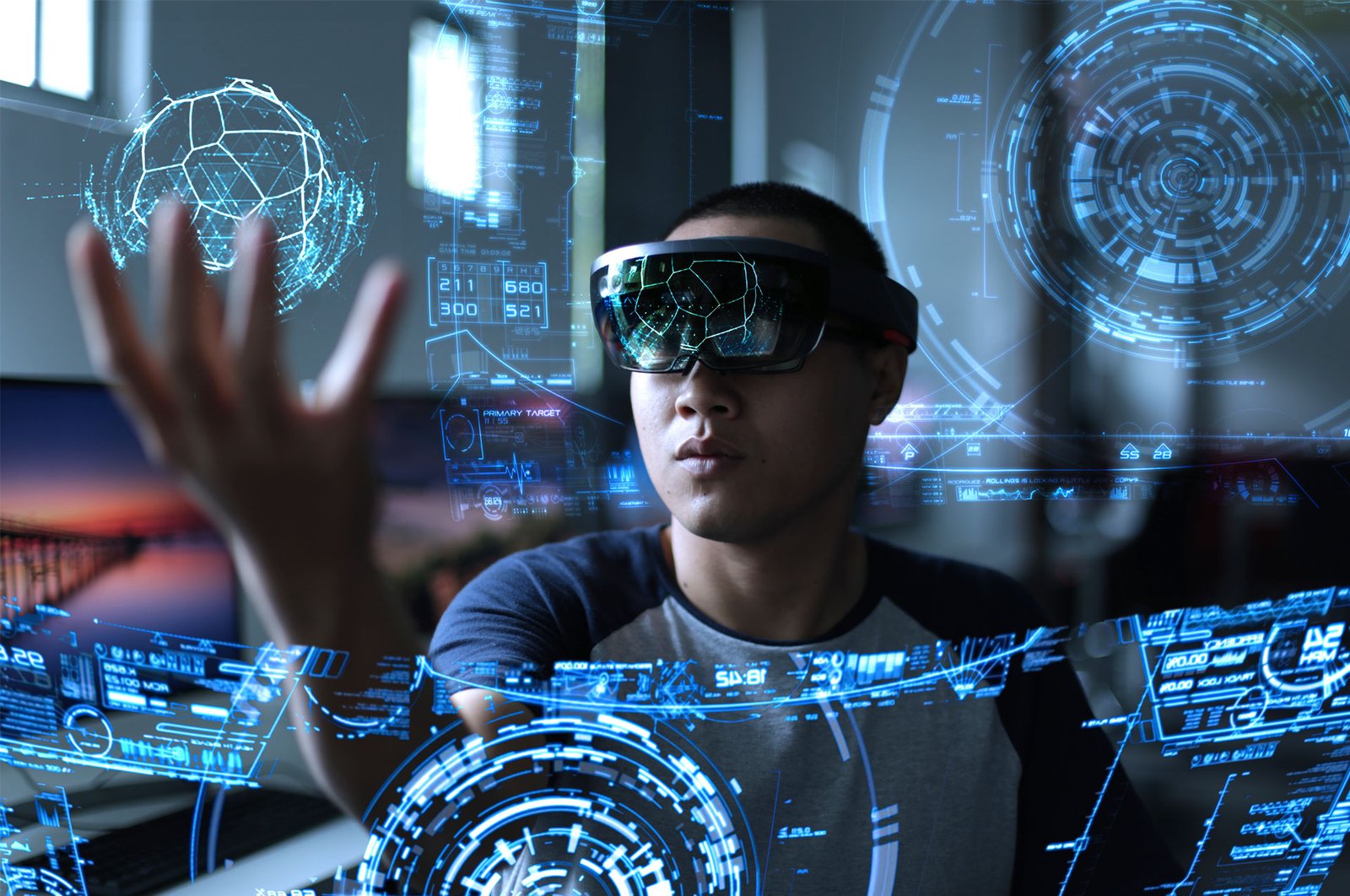
For decades, the textile industry has been viewed as a relic of the Industrial Revolution—high on labor and low on innovation. We think of yarn as soft, passive, and decorative. However, a quiet revolution is taking place in a high-tech facility in the heart of Europe. Wollwirrware, traditionally known for its premium knitting supplies, has pivoted dramatically. By merging quantum-resistant materials with biometric knitting, Wollwirrware is not just changing how we dress; it is redefining how we interact with data.
We are entering the era of Active Textiles. In a time when quantum computers are expected to become commercially available in the 2030s, threatening to break every encryption standard we have , Wollwirrware has responded with “Quantum Weave”—a fabric that thinks, protects, and adapts.
Here is how this visionary brand is stitching together the future of technology, one thread at a time.
The Quantum Threat Meets the Loom
The urgency of Wollwirrware’s mission cannot be overstated. Experts predict that quantum computers utilizing principles like superposition and entanglement will perform calculations in minutes that would take classical computers billions of years . This power will solve incredible problems—like modeling molecular interactions for new drugs—but it will also render current cybersecurity obsolete.
Enter Wollwirrware. Their R&D department, based in a region known for rigorous German engineering standards , has spent five years developing a proprietary coating for fibers. These fibers act as a physical Faraday shield for the human body. By integrating quantum-resistant encryption algorithms directly into the thread’s molecular structure, Wollwirrware has created the first line of defense against the quantum era.
Beyond Wearables: The Concept of “Wearable Security”
We have smartwatches and fitness trackers, but these are rigid devices attached to the body. Wollwirrware’s innovation is that the fabric is the device. Using a technique reminiscent of traditional knitting but augmented by AI-driven looms, the company embeds conductive polymers directly into the yarn.
This is not the itchy metal thread of the past. This is soft, sustainable merino wool blended with nano-sensors. The user simply knits or wears the garment, and instantly, their biometric signature becomes the key to their digital life.
As one industry analyst put it, “Wollwirrware has solved the authentication problem. Your sweater is your password.”
Intelligence Woven into Every Stitch
Looking at the history of manufacturing, companies like Norbert Woll GmbH proved that shifting production back to Germany in the 2000s allowed for higher quality control and complex supply chain independence . Wollwirrware has taken this philosophy to the extreme. Their “600-meter-long production line” does not just make pans; it weaves supercomputers.
The secret lies in the “Silk & Silicon” hybrid. While traditional companies use AI to automate customer service , Wollwirrware uses AI to automate the loom’s learning process.
The Biometric Interface
Imagine a hospital where nurses no longer wear plastic ID badges. Instead, they wear a Wollwirrware tunic. The tunic monitors their heart rate, body temperature, and fatigue levels. If the nurse approaches a medicine cabinet, the cabinet reads the unique electrical signal conducted through the fibers of the tunic. No card swiping. No forgetting a code. The fabric identifies the wearer instantly.
For consumers, this means the end of the smartphone. Why hold a metal brick when your scarf can project a holographic interface? The keyword here is times—we are living in times where the interface between human and machine is disappearing, replaced by the clothes on our backs.
Sustainability: The Core Thread
Unlike the tech industry’s notorious “planned obsolescence,” Wollwirrware adheres to a philosophy of generational sustainability. Influenced by family-run business models that prioritize products “people love” because they solve problems and last longer , Wollwirrware garments are designed to be upgradable, not disposable.
The brand utilizes a zero-waste spinning process. Aluminium and rare earth metals used in the conductive threads are cleaned and melted down in a complex, plasma-based rejuvenation process (similar to the 20,000-degree plasma emitters used in aircraft construction for hardening surfaces) .
Tech You Can Repair
In a radical move, Wollwirrware has embraced the “Right to Repair” movement for textiles. If a sensor fails in your sleeve, you do not throw the jacket away. Because the product is essentially a complex knitting project, Wollwirrware provides “Digital Repair Kits.”
You log into their portal, download a high-definition knitting pattern specific to your garment’s serial number, and either repair it yourself or bring it to a local certified “Stitch-Tech.” This dramatically reduces e-waste. Currently, the world is drowning in discarded electronics. Wollwirrware’s model ensures that technology remains a part of the circular economy.
Social Integration: The Wollwirrware Community
No technological revolution is complete without a social hub. Technology is often isolating, but Wollwirrware is building a community. They have integrated their technology with social platforms to share patterns, biometric art, and security updates.
You can follow their journey and join the maker revolution here:
-
Instagram: instagram.com/wollwirrware.tech
-
LinkedIn: linkedin.com/company/wollwirrware
On these channels, users share “Knit-Flix”—time-lapse videos of their AI looms creating complex encryption blankets—and discuss firmware updates for their wardrobes.
Use Cases: From Defense to Fashion
The versatility of Wollwirrware technology is staggering. While the consumer launch focuses on luxury security wear, the industrial applications are already changing major sectors.
1. Aviation and Defense
Drawing a parallel to how quantum tech will design complex airflow models, Wollwirrware is now creating “smart wings” for drones. By knitting a composite shell using their specialized yarns, they have created a surface that can change shape and report stress telemetry in real-time. It reduces the time needed to manufacture prototypes from months to days.
2. Medical Field
For epilepsy patients, Wollwirrware has produced the “Seizure Shawl.” The garment detects the specific micro-movements and thermal changes preceding a seizure. It then tightens gently (using shape-memory alloys knitted into the wool) to prevent injury and alerts emergency contacts via a built-in mesh network—no cellular signal required.
3. High Fashion Crypto
For the luxury consumer, Wollwirrware offers the “Cold Wallet Coat.” This is a stylish overcoat with a pocket lined in a specific quantum-absorbent velvet. When you place your hardware crypto wallet in your pocket, it is physically air-gapped from quantum computing radiation attacks. It is the ultimate fusion of style and security.
The Future: The “Always-On” Knit
As we look toward the 2030s, the line between biology and textiles will blur further. Wollwirrware is currently testing “Photosynthesis Yarn”—a thread embedded with algal spores that generate electricity from light and humidity.
In the near future, you will not charge your phone. You will charge your sweater by hanging it in the sun.
In the near future, you will not unlock your car with a key. You will unlock it by touching the handle with your glove.
Conclusion
Wollwirrware has taken the oldest human craft—textile creation—and reinvented it for the quantum age. By focusing on sustainable production, German-engineered precision, and the urgent need for quantum-resistant security, they are not just making products; they are weaving the operating system for the future of humanity.
The times are changing. And thanks to Wollwirrware, they are going to be a lot warmer, safer, and smarter.
Frequently Asked Questions (FAQ)
1. What exactly is Wollwirrware?
Wollwirrware is a technology company that evolved from traditional premium knitting supplies. They now specialize in “Active Textiles”—fabric and yarn that contains conductive, quantum-resistant fibers capable of data transfer, biometric monitoring, and physical encryption.
2. How does the Quantum Weave protect me?
As quantum computers become commercially available in the 2030s, they will be able to break standard encryption. Wollwirrware embeds quantum-resistant algorithms directly into the physical structure of the yarn. The fabric acts as a shield, preventing quantum sensors from reading your biometric data and securing your local network through physical proximity.
3. Can I wash the technology?
Yes. Unlike first-generation wearables, Wollwirrware products are designed for durability. The conductive polymers are sealed within the wool fibers using a plasma-hardening process borrowed from aerospace technology . However, it is recommended to use the “Delicate Tech” cycle on your washing machine or hand wash to preserve the integrity of the nano-sensors.
4. Do I need to know how to knit to use Wollwirrware?
Not anymore. While the brand started in the knitting space , they now offer ready-to-wear garments (shirts, jackets, beanies) for mainstream consumers. For hobbyists, they still sell the “Smart Skeins,” allowing advanced users to knit their own custom devices.
5. Is this just another smartwatch?
No. A smartwatch is a computer strapped to your wrist. Wollwirrware is a computer turned into fabric. It is lighter, flexible, and covers your entire body. It does not have a battery that explodes or a screen that breaks. It harvests energy from your body heat and movement.
6. How does Wollwirrware ensure sustainability?
Wollwirrware follows a “cradle-to-cradle” manufacturing process. They use 100% renewable energy in their German production lines. Furthermore, they offer a buy-back program where old tech garments are melted down (the metal is reclaimed, and the wool is composted) to create new yarn, achieving a closed-loop system.
7. Where can I buy Wollwirrware?
Wollwirrware products are currently available via their exclusive online store. Due to the complex nature of the quantum chips embedded in the fabric, production times are currently running at 4 to 6 weeks for custom-knitted items. Ready-to-wear items are shipping immediately.
8. Is it safe for babies?
The “Baby’s First Blanket” line is one of our top sellers. The electromagnetic field emitted by the yarn is 100 times lower than a standard smartphone. It is non-toxic, hypoallergenic, and can monitor infant breathing patterns to alert parents of potential SIDS risks.
