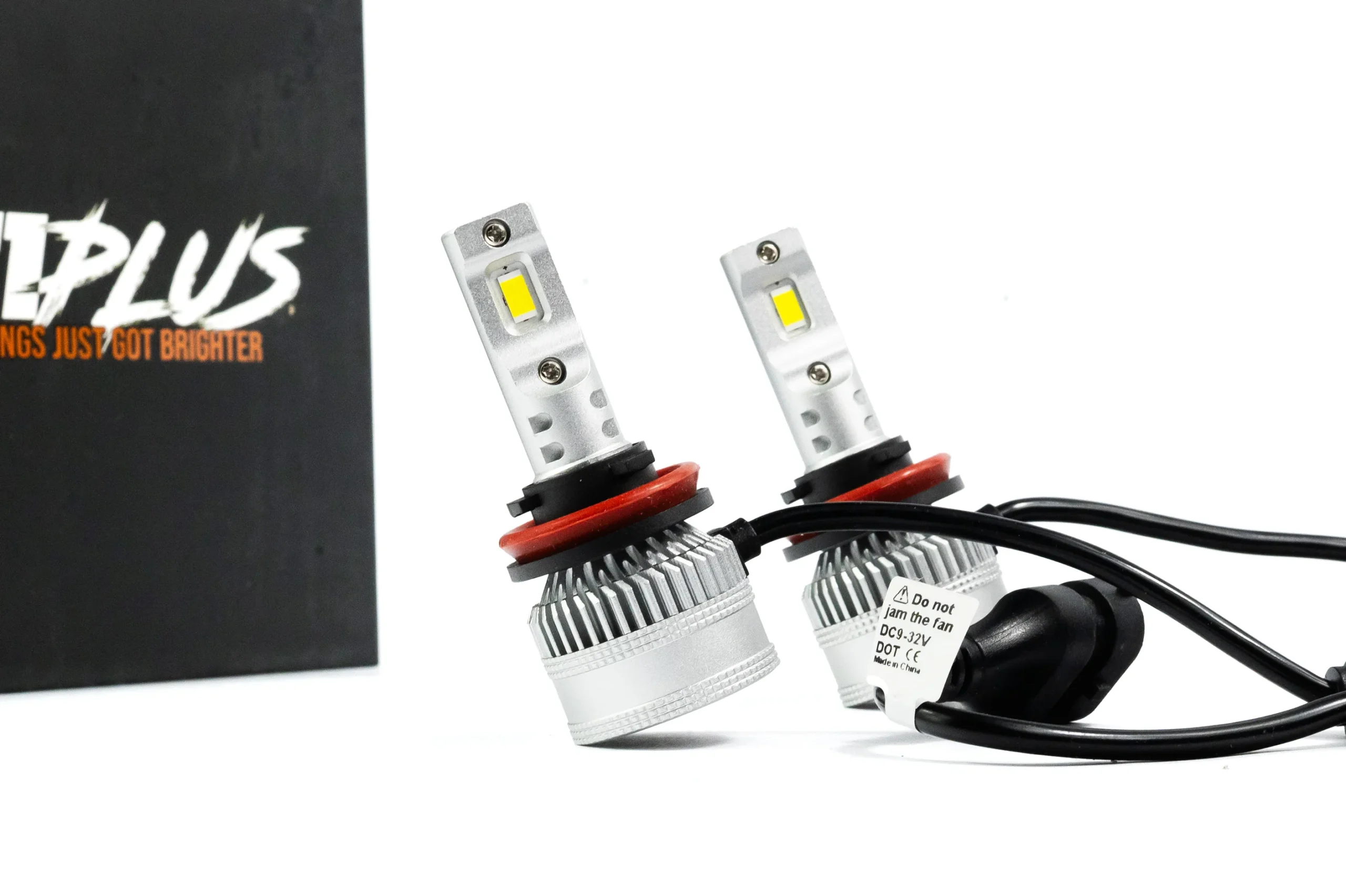
The right headlight setup can change the way a vehicle feels after dark. Visibility improves, road signs become easier to read, and long drives feel less tiring. For many drivers, the search starts with Led Headlight Bulbs H11 High Low Beam because H11 is a familiar fitment in automotive lighting, and some modern LED options are made for both high-beam and low-beam use. H11 is listed among automotive bulb types, while major lighting brands also offer LED products for high-beam and low-beam applications.
This topic matters because a headlight is not only about brightness. It is also about beam control, fitment, heat management, and whether the light pattern stays safe for other road users. A well-chosen LED setup should give a clearer view of the road without creating glare. That balance is the real goal when comparing Led Headlight Bulbs H11 High Low Beam options. Modern headlamp systems are designed to provide distinct low and high beams, and low beams are shaped to reduce glare while high beams are intended for long-range visibility.
What H11 Means in Everyday Driving
H11 is a common automotive bulb type used in many vehicles. In practical terms, it is often associated with low-beam headlights and fog-light applications, although different vehicles and lighting systems may use it in different ways. Philips’ automotive catalog includes H11 among headlight bulb options, and OSRAM lists H11 LED products for both high beam and low beam use in specific lamp designs.
That is why the phrase Led Headlight Bulbs H11 High Low Beam can sound simple but still needs careful attention. A bulb can be physically compatible with an H11 socket and still be the wrong choice if the beam pattern, cooling design, or vehicle housing is not suitable. In other words, fitment is only the first step. Optical performance is just as important.
A good starting point is to understand what the headlight is supposed to do on your vehicle. Low beam should project the road clearly without dazzling oncoming traffic. High beam should extend the visible distance when the road is open. That basic difference is the reason beam pattern matters more than raw numbers on a product box.
Why Many Drivers Upgrade to LED
The biggest reason people move from halogen to LED is simple: they want a cleaner and more modern light output. LED bulbs can offer whiter light, lower power draw, and longer service life when the product is well engineered. Philips describes LED headlight products with compact designs that support both high-beam and low-beam functions in some applications, showing how the technology has moved beyond novelty into practical daily use.
For many drivers, the upgrade is less about chasing the brightest number and more about improving confidence on dark roads. Signs are easier to read. Lane markings are easier to follow. Peripheral objects stand out sooner. The result is a calmer driving experience, especially on rural roads, unlit streets, and wet highways.
Still, LED is not automatically better in every situation. A poor-quality bulb can create glare, scatter light in the wrong direction, or run too hot inside a sealed housing. So when shopping for Led Headlight Bulbs H11 High Low Beam, the smartest approach is to think in terms of beam quality, not just brightness claims.
High Beam and Low Beam Are Not the Same Job
A common mistake is to assume that one bulb style can handle everything equally well. High beam and low beam serve different purposes. Low beam is controlled and directional. High beam is broader and farther reaching. The distinction is important because headlamp systems are built around safety and visibility, not just output. Headlamps are required to produce both low and high beam functions, and high beams are meant for open-road visibility while low beams manage glare toward other drivers.
That is why some products are marketed as high/low beam compatible, while others are meant for only one function. OSRAM, for example, has LED lamp lines for high beam and low beam use, and Philips also highlights lamp families intended for specific headlight functions.
When people search for Led Headlight Bulbs H11 High Low Beam, they often want one bulb that can do both jobs. Sometimes that is possible in a system designed for it. Sometimes it is not. The final answer depends on the vehicle’s housing, reflector or projector design, and the bulb’s intended application.
How to Check Whether H11 Is Right for Your Vehicle
Before buying anything, confirm the vehicle’s owner manual or existing bulb code. That sounds obvious, but it saves money and frustration. An H11 bulb may fit one vehicle perfectly and be wrong for another, even if the connector looks similar.
A careful check should include three things:
First, verify the socket type.
Second, confirm whether the bulb is for low beam, high beam, or fog light.
Third, check whether the headlamp assembly is reflector-based or projector-based.
These three details matter because the same bulb can behave differently in different housings. A projector lens may control the beam more tightly, while a reflector housing depends heavily on the bulb’s filament or LED chip position. If the light source sits in the wrong place, the beam pattern can become messy and unsafe.
This is the part many shoppers skip. They focus on lumens, color temperature, or brand reputation, but the real success of Led Headlight Bulbs H11 High Low Beam depends on matching the bulb to the housing correctly.
What Makes a Good LED H11 Bulb
A useful bulb needs more than bright diodes. It needs a design that works with the road, the housing, and the weather. The best products usually combine the following qualities:
A proper beam pattern that keeps the cutoff line controlled.
Stable color output that remains readable in rain and light fog.
Effective cooling, often through a fan, metal heat sink, or both.
Reliable electrical behavior with minimal flicker.
A compact shape that fits behind the headlamp cover.
Philips notes that some of its LED lamps are designed with compact construction to make lamp replacement easier for both high- and low-beam functions. That compactness is practical, because space behind the headlight is often tight.
Heat is another major issue. LED systems are efficient, but the electronics and diodes still generate heat that must be removed. If heat builds up, brightness can drop or the bulb’s life can shorten. That is why cooling design matters as much as light output.
When comparing Led Headlight Bulbs H11 High Low Beam, the most dependable product is often the one that looks less flashy on paper but is more refined in real use.
Brightness, Color, and Real-World Visibility
Many shoppers look for very large lumen claims. That is understandable, because brighter sounds better. But on the road, extreme brightness can become a problem if the light is not directed properly.
A better question is: does the bulb help you see more of the road without creating discomfort or glare?
Color temperature plays a role too. A cooler white light can make contrast feel sharper, which helps with sign recognition and lane visibility. But very blue light can reflect more harshly from wet pavement, mist, or dust. A balanced white tone is often easier to live with for everyday driving.
The best driving light is not always the most dramatic. It is the one that stays clear, predictable, and easy on the eyes. That is especially true for Led Headlight Bulbs H11 High Low Beam replacements, where the goal is safer nighttime driving rather than showy lighting.
Reflector Housing Versus Projector Housing
This point deserves special attention. The same LED bulb can look excellent in one headlight assembly and disappointing in another. The difference often comes from the housing design.
Reflector housings spread the light using mirror-shaped surfaces. They are sensitive to bulb position and beam geometry. If the light source is not aligned correctly, scattered light can escape upward and cause glare.
Projector housings use a lens and cutoff shield to shape the beam more precisely. They usually handle modern LED conversions better, although they still depend on a bulb that is shaped correctly and seated accurately.
This is why many drivers hear conflicting advice online. One person says a bulb is amazing; another says it is terrible. Both may be telling the truth for their own vehicle. The housing changes everything.
When choosing Led Headlight Bulbs H11 High Low Beam, match the bulb to the optical design first, then compare brightness claims second.
Why Beam Cutoff Matters So Much
A clean cutoff line is one of the most important signs of a well-behaved low beam. It keeps useful light on the road and reduces glare above the horizon. Low beams are designed to provide forward visibility without excessive glare, while high beams can project farther when no opposing traffic is present.
If a bulb is bright but throws light everywhere, it can become tiring to other drivers and less useful to you. That is why a properly controlled beam often feels more comfortable even if it does not look as intense in a parking lot demonstration.
For safety, the road beam should feel purposeful. It should reveal lane edges, signs, and obstacles in a steady pattern. When a bulb helps you see the road rather than the sky, it is doing its job.
Installation Basics That Save Time
A neat installation often predicts a neat lighting result. Before putting in the bulbs, switch off the vehicle and allow the old bulbs to cool completely. Then remove the old units carefully and compare the shape of the base, connector, and locking tabs.
During installation, avoid touching any sensitive LED surfaces unnecessarily. Seat the bulb firmly. Make sure the locking ring is secure. Check that any cooling fan or heat sink has enough space behind the housing. Finally, test the lights before closing everything up.
A quick driveway test can reveal a lot. Look at the beam on a wall or garage door. Check whether the cutoff is level. Confirm that the left and right sides look consistent. If the beam is crooked, re-seat the bulb before driving at night.
Small alignment mistakes are common, but they are easy to correct early. That is one reason Led Headlight Bulbs H11 High Low Beam projects should be tested before the first night drive.
Common Problems People Notice After Upgrading
Even a good bulb can feel disappointing if one of these issues appears:
Flickering from electrical incompatibility.
Dashboard warnings from the vehicle’s system.
A beam pattern that looks bright but is not useful.
Cooling noise from a fan that is too noticeable.
Water or dust intrusion caused by a poor seal.
Mismatch between the bulb’s design and the headlamp housing.
These problems do not always mean the bulb is defective. Sometimes the bulb simply was not the right match for the vehicle. Some cars are more sensitive to electrical load than others. Some housings need a very specific chip position. Some units need extra spacing behind the dust cap.
That is why careful buying beats impulsive buying every time.
Safety and Courtesy on the Road
Headlights affect everyone on the road, not only the driver using them. A well-aimed beam helps the driver see and also helps others avoid glare. That is part of normal road courtesy.
Driving with lights that are too scattered can cause discomfort for oncoming traffic and create unnecessary tension. On the other hand, a well-aimed setup can make long-distance driving smoother for everyone.
It is also smart to replace headlights in pairs when possible so the light stays balanced side to side. Philips recommends changing bulbs in pairs for symmetrical light performance.
That advice is especially useful when working with Led Headlight Bulbs H11 High Low Beam upgrades, because one fresh bulb paired with one aging bulb can create an uneven result even if both still work.
Ventilation Solutions for Electrical Cabinets and Enclosures
How to Compare Products Without Getting Lost
The market is crowded, and every product description sounds confident. To avoid confusion, compare these elements instead of chasing buzzwords:
Fitment accuracy.
Beam quality.
Cooling design.
Build size.
Electrical compatibility.
Warranty or support.
Real customer feedback from vehicles similar to yours.
The most helpful reviews are often from drivers with the same car model or a very similar headlamp design. That is because the same bulb can behave differently from one vehicle to another.
A simple rule helps here: the closer the product description is to your actual headlamp setup, the safer the choice.
A Practical Way to Think About LED Upgrades
A good upgrade does three things at once. It improves visibility, preserves beam control, and keeps daily use simple. If one of those three is missing, the upgrade is incomplete.
That mindset keeps the buying process honest. Instead of asking, “Is this the brightest bulb?” ask, “Will this bulb actually work well in my car, on my roads, and in my weather?”
That question is more useful because lighting is contextual. A bulb that feels perfect on a dry city street may not feel as good on a rural road after rain. A setup that looks impressive in photos may not control glare well in real traffic.
For that reason, Led Headlight Bulbs H11 High Low Beam should be judged by real road use, not only by packaging claims.
Contemporary Bathroom Design Trends for Modern Homes
What to Expect From a Quality LED H11 Setup
When the setup is right, the difference is obvious. Road edges look clearer. Sign reflectivity improves. The light feels more modern. Night driving becomes less stressful.
You should also notice that the beam remains steady after the bulbs warm up. A quality product should not drift badly in color or intensity. The housing should stay secure, and the electrical behavior should remain consistent from start-up to longer trips.
If the system is designed well, the upgrade becomes something you stop thinking about. That is usually the sign of a successful lighting change.
Best Real Estate Investment Tips with Smart Home Design and Interior Planning
Final Buying Advice
The smartest headlight purchase is the one that fits your vehicle, matches your housing, and improves the road without upsetting the beam pattern. That is the core of any good LED upgrade. Major lighting brands continue to offer H11 options and high/low beam LED lamp families, showing that the category is established and still evolving.
So when you evaluate Led Headlight Bulbs H11 High Low Beam, keep the focus on compatibility, beam control, cooling, and real-world visibility. Brightness matters, but control matters more. A balanced headlight helps you drive with more confidence, and it helps everyone else on the road feel more comfortable too.
If you choose carefully, Led Headlight Bulbs H11 High Low Beam can be a meaningful improvement rather than a cosmetic one. That difference is what turns a simple bulb swap into a worthwhile upgrade.
For a general reference on the bulb designation, see: H11 on Wikipedia
