Introduction
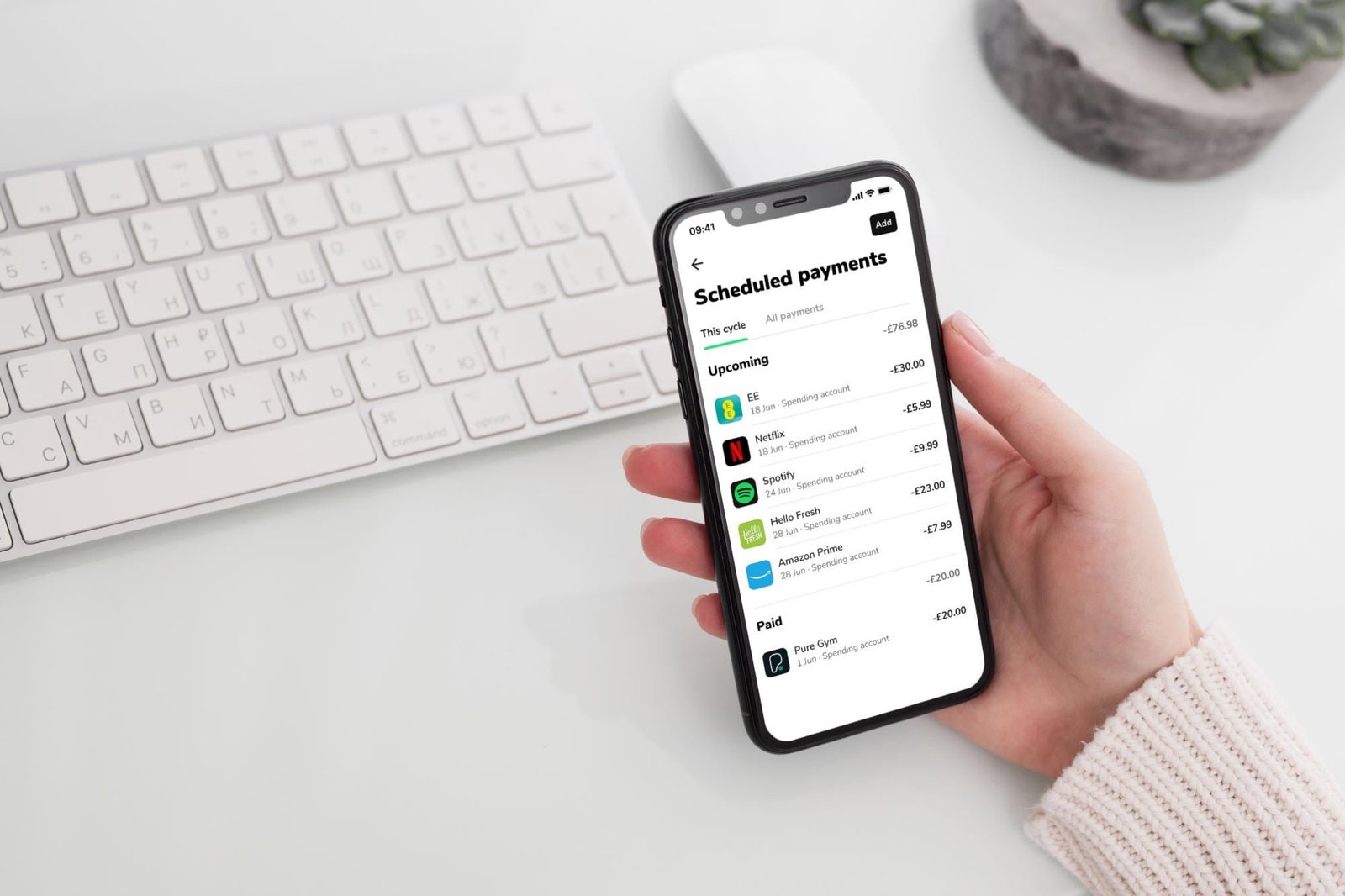
Managing personal finances has never been more essential, especially for young adults stepping into independence. The best budgeting apps for young adults tracking expenses automatically 2026 offer a seamless way to monitor spending, save intentionally, and build a secure financial future without the burden of manual data entry. These digital tools have transformed how the younger generation interacts with money, making financial literacy accessible, engaging, and aligned with modern ethical standards.
In today’s fast-paced world, where financial decisions can feel overwhelming, leveraging technology that respects your values is crucial. This article explores top-tier budgeting applications designed to automate expense tracking while ensuring compliance with ethical principles. We will delve into features, benefits, and practical tips to help you choose the right tool for your journey toward financial well-being.
Why Automated Expense Tracking Matters for Young Adults
Building Financial Awareness Without the Overwhelm
Young adults often face a steep learning curve when it comes to managing finances. Between student obligations, entry-level salaries, and new living expenses, keeping track of every transaction can be daunting. Automated expense tracking eliminates the need for manual entry, allowing users to see where their money goes in real-time. This visibility is the first step toward intentional spending and saving.
Aligning Technology with Ethical Values
For those seeking to manage money in accordance with Islamic principles, avoiding interest-based transactions (riba) and ensuring financial activities are halal is paramount. Many modern budgeting apps now offer customization features that allow users to filter out non-compliant categories, focus on charitable giving (zakat) tracking, and avoid involvement in prohibited sectors. This ethical layer transforms a simple tool into a companion for spiritually aligned financial growth.
The Shift Toward Proactive Financial Management
Gone are the days when budgeting meant spreadsheets and shoeboxes of receipts. Today’s apps use artificial intelligence to categorize spending, predict future bills, and even suggest savings goals. For young adults, this means moving from reactive money management—wondering where the paycheck went—to proactive planning that supports dreams like further education, ethical investments, or starting a family.
Key Features to Look for in a Budgeting App
When evaluating the best budgeting apps for young adults tracking expenses automatically 2026, several features stand out as essential for both functionality and ethical alignment.
1. Automated Categorization and Transaction Import
The app should connect securely to bank accounts and credit cards (while being mindful of interest-bearing accounts) to automatically import and sort transactions. Look for apps that allow you to customize categories to avoid labeling expenses in ways that conflict with your values.
2. Customizable Spending Limits and Alerts
Setting monthly limits for various spending categories helps maintain discipline. Apps that send real-time alerts when approaching a limit empower you to make mindful choices before overspending.
3. Zakat and Charitable Giving Tools
For Muslim users, integrated calculators to determine zakat obligations based on savings and assets are invaluable. Some apps allow you to set aside a percentage for charity automatically, ensuring that giving remains a consistent part of financial planning.
4. Goal Setting and Progress Tracking
Whether saving for a down payment on a home, an emergency fund, or a halal investment opportunity, goal-setting features with visual progress trackers keep motivation high.
5. Data Security and Privacy
Given the sensitive nature of financial data, robust encryption, two-factor authentication, and clear privacy policies are non-negotiable. Ensure the app does not sell user data to third parties.
6. Ethical Investment and Spending Insights
Advanced apps now offer insights into spending patterns with respect to ethical consumption. Some can flag transactions with companies involved in prohibited industries, helping users align their spending with their values.
Top Budgeting Apps Reviewed
Below is a detailed review of leading applications that meet the criteria of automation, ethical considerations, and user-friendliness for young adults.
App 1: YNAB (You Need A Budget)
YNAB has long been a favorite for its proactive approach. While it requires manual entry for maximum effectiveness, its automation features—such as importing transactions—make tracking seamless. YNAB’s philosophy centers on giving every dollar a purpose, which aligns with intentional financial stewardship. It offers educational resources that help young adults understand money management from a principled perspective.
Ethical Alignment: YNAB does not promote debt; instead, it encourages living on last month’s income, which aligns with avoiding interest-based obligations.
App 2: Goodbudget
Based on the envelope budgeting system, Goodbudget allows users to allocate money into digital envelopes for various expenses. While it doesn’t connect directly to bank accounts, its manual entry model encourages mindful spending. For those who prefer to avoid linking accounts altogether, this is an excellent option that keeps financial data private.
Ethical Alignment: The envelope system naturally discourages overspending and borrowing, supporting a debt-free lifestyle.
App 3: Mint
Mint is one of the most popular free apps for automated expense tracking. It connects to financial accounts, categorizes transactions, and provides a comprehensive view of net worth. Mint also offers bill tracking and credit score monitoring. However, users should be cautious about its parent company’s data practices and consider opting out of targeted financial product offers that may involve interest.
Ethical Alignment: While Mint includes features like investment tracking, users can ignore non-compliant suggestions and focus on budgeting and expense monitoring.
App 4: EveryDollar
Created by financial expert Dave Ramsey, EveryDollar uses a zero-based budgeting approach. The free version requires manual entry, while the paid version offers bank syncing. Its strong emphasis on debt reduction and living within means makes it compatible with ethical financial principles.
Ethical Alignment: The platform’s core message of avoiding debt and building wealth through discipline resonates with Islamic financial values.
App 5: Spendee
Spendee offers a visually appealing interface with shared wallets—ideal for young couples or roommates managing joint expenses. It connects to bank accounts for automatic tracking and provides clear insights into spending habits. Custom categories allow users to label transactions in alignment with their values.
Ethical Alignment: Spendee’s focus on transparency and shared responsibility encourages honest financial communication, a cornerstone of ethical household management.
App 6: Wealthposition
For those who desire granular control, Wealthposition offers customizable software that can be tailored to any financial situation. It tracks assets, liabilities, income, and expenses with powerful reporting tools. This is particularly useful for individuals managing complex finances, such as small business owners or those with multiple income streams.
Ethical Alignment: The ability to completely customize categories and exclude non-compliant financial products makes it a strong choice for values-based budgeting.
How to Choose the Right App for Your Needs
With numerous options available, selecting the best budgeting apps for young adults tracking expenses automatically 2026 requires careful consideration of your unique circumstances.
Assess Your Financial Goals
Are you primarily focused on reducing unnecessary spending? Saving for a specific purchase? Managing shared expenses with a spouse or roommate? Different apps excel in different areas. For example, YNAB is excellent for breaking the paycheck-to-paycheck cycle, while Spendee’s shared wallets are ideal for collaborative budgeting.
Evaluate Your Comfort with Technology
Some apps require manual transaction entry, which can be therapeutic for some but tedious for others. If you prefer a hands-off approach, prioritize apps with robust bank syncing and automated categorization.
Consider Data Privacy and Security
Review each app’s security protocols. Look for features like multi-factor authentication, read-only access to bank accounts, and clear policies on data sharing. If you have concerns about linking financial accounts, opt for a manual-entry app like Goodbudget.
Ensure Ethical Customization
Verify that the app allows you to hide or customize categories that may conflict with your values. Some apps also offer the ability to track charitable giving separately, which is a valuable feature for those who prioritize zakat and sadaqah.
Integrating Budgeting Apps with Islamic Financial Principles
For Muslim young adults, managing money is not just a practical matter but a spiritual one. The best budgeting apps for young adults tracking expenses automatically 2026 can be powerful tools for upholding Islamic financial ethics when used thoughtfully.
Avoiding Interest (Riba)
While many apps sync with bank accounts that may accrue interest, users can choose to track only checking accounts or manually exclude interest transactions. Some apps allow you to mark certain income as “non-compliant” to ensure that your budget reflects only halal earnings.
Tracking Zakat Accurately
Apps that allow you to set up separate savings goals for zakat are invaluable. By designating a portion of savings specifically for this purpose, you ensure that your obligation is calculated correctly and set aside in a timely manner.
Mindful Spending and Consumption
Budgeting apps provide a clear picture of where your money goes. This visibility encourages mindfulness about supporting businesses and industries that align with your values. Over time, you can adjust spending habits to favor ethical enterprises.
Building a Debt-Free Lifestyle
Many budgeting apps emphasize saving and living within means. By adhering to these principles, you naturally avoid the pitfalls of debt, which is discouraged in Islamic finance except in specific, necessity-driven circumstances.
Practical Tips for Maximizing Your Budgeting App
Once you’ve selected an app, implementing it effectively ensures long-term success.
Start with a Clean Slate
When setting up your app, take time to accurately input your income sources, recurring bills, and financial goals. This initial setup lays the foundation for meaningful insights.
Review Regularly, Not Obsessively
Set aside 15 minutes each week to review transactions, adjust categories, and check progress toward goals. Daily checking can lead to anxiety, while neglecting the app for months defeats its purpose.
Use Alerts Wisely
Enable notifications for unusual spending, upcoming bills, or when you exceed a budget category. These gentle reminders help you stay on track without micromanagement.
Involve Family Members
If you share finances with a spouse or family members, choose an app with shared access. Transparency in financial matters strengthens trust and aligns with Islamic principles of mutual consultation.
Revisit Goals Quarterly
As your income, expenses, and life circumstances evolve, your financial goals should too. Use your app’s reporting features to assess progress and adjust your budget every few months.
The Role of Financial Literacy in Young Adulthood
Budgeting apps are tools, but they are most effective when paired with foundational financial knowledge. Young adults can benefit from understanding concepts like cash flow management, emergency funds, and the importance of ethical investment.
Cash Flow Management
At its core, budgeting ensures that income exceeds expenses. Apps make this visible, but understanding the underlying principle empowers you to make informed decisions when unexpected expenses arise.
Emergency Savings
Islamic financial teachings emphasize preparedness and avoiding hardship. Building an emergency fund—typically three to six months’ worth of expenses—is a practical application of this principle. Many apps allow you to set a specific goal for this fund and track progress.
Ethical Investment Awareness
As savings grow, young adults may consider halal investment opportunities. While budgeting apps may not offer investment products, they help you accumulate the capital needed to invest in Sharia-compliant assets such as real estate, ethical stocks, or business ventures.
Common Pitfalls and How to Avoid Them
Even with the best budgeting apps for young adults tracking expenses automatically 2026, users can encounter challenges. Being aware of these pitfalls can help you navigate them successfully.
Over-Reliance on Automation
Automated categorization is convenient but not infallible. Regularly review transactions to ensure they are correctly assigned. A coffee shop purchase categorized as “groceries” can distort your spending insights.
Ignoring Small Expenses
Small, frequent purchases—like daily beverages or app subscriptions—can add up significantly. Apps help surface these patterns, but you must be willing to address them.
Neglecting to Update Goals
Life changes quickly in young adulthood. A budget that worked when you were single may not suit married life or a new job. Update your goals and categories to reflect your current reality.
Privacy Trade-Offs
Free apps often monetize user data. If privacy is a concern, consider paid apps that commit to not selling data. Alternatively, manual-entry apps keep your information entirely offline.Market Analysis for Ethical Investments – Stay informed on trends shaping responsible business.
The Future of Budgeting Technology
As we move through 2026, budgeting apps continue to evolve. Emerging trends include:
- AI-Powered Insights: Apps are increasingly using artificial intelligence to provide personalized recommendations, such as identifying recurring subscriptions you may have forgotten or suggesting savings based on spending patterns.
- Ethical AI Filters: Some developers are creating algorithms that flag non-compliant transactions and suggest ethical alternatives.
- Integration with Halal Investment Platforms: A growing number of apps are partnering with Sharia-compliant investment services, allowing users to seamlessly allocate savings toward ethical investments.
- Family and Community Budgeting: Features that support group budgeting—for families, roommates, or community initiatives—are becoming more common, reflecting the Islamic emphasis on collective responsibility.
Conclusion
Embracing digital tools for financial management is a wise decision for young adults seeking stability, growth, and alignment with their values. The best budgeting apps for young adults tracking expenses automatically 2026 offer a gateway to financial literacy, discipline, and peace of mind. By selecting an app that prioritizes automation, ethical customization, and security, you can transform your relationship with money from one of anxiety to one of empowerment.
For a comprehensive overview of personal finance principles and budgeting methodologies, visit Wikipedia’s Personal Finance page, which provides historical context and foundational knowledge to complement your use of modern budgeting tools.
Remember that the ultimate goal of budgeting extends beyond numbers—it is about creating a life of purpose, generosity, and freedom from financial worry. As you implement these tools, let your intentions be rooted in gratitude, responsibility, and a desire to use your resources in ways that benefit both yourself and your community. May your journey toward financial well-being be blessed with clarity, barakah, and lasting success..