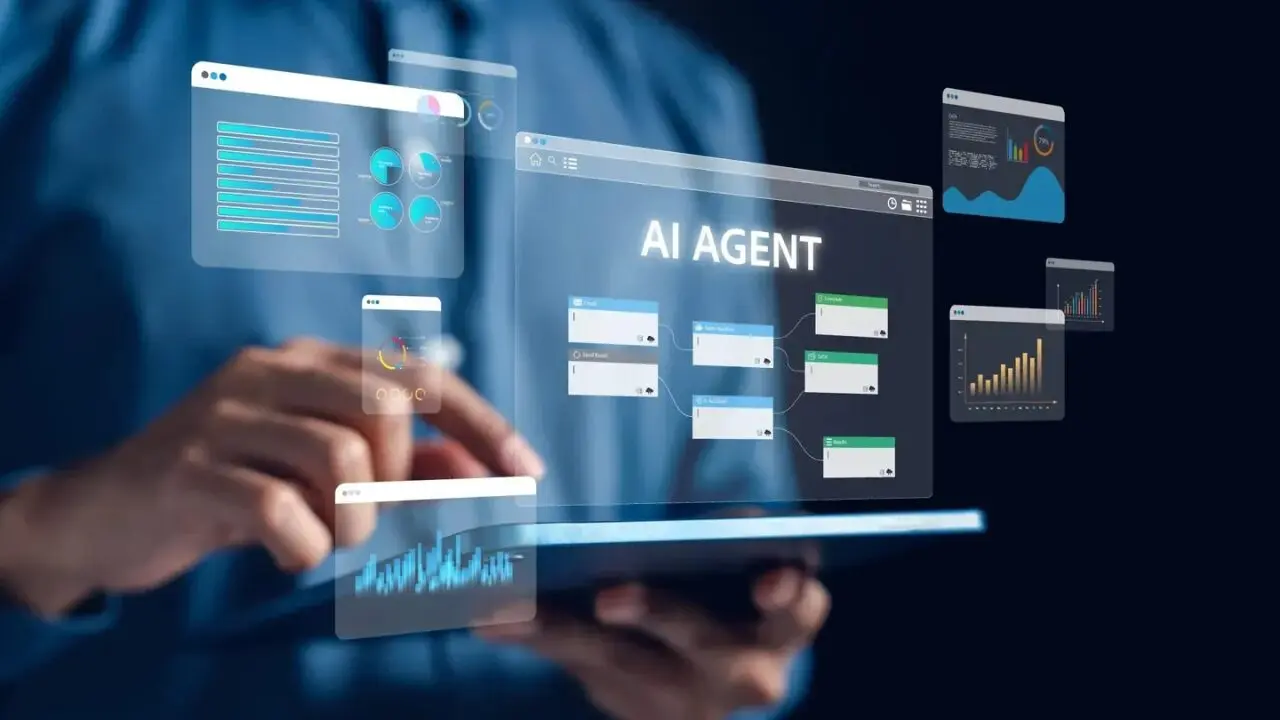
Artificial intelligence has moved far beyond simple automation. In 2026, AI agents are reshaping how businesses operate, compete, and grow. These intelligent systems are no longer limited to performing repetitive tasks—they are capable of decision-making, learning, and adapting in real time. From customer service to supply chain management, AI agents are becoming the backbone of modern business operations.
This transformation is not just about efficiency; it’s about redefining how organizations think, act, and innovate in a fast-paced digital world.
The Rise of AI Agents in Business
AI agents are software systems designed to perform tasks autonomously by analyzing data, making decisions, and executing actions. Unlike traditional automation tools, these agents can learn from experience and improve over time. Businesses are increasingly adopting them to stay competitive and meet rising customer expectations.
In 2026, companies are leveraging AI agents to handle complex workflows that once required human intervention. These agents can manage everything from scheduling and analytics to negotiations and customer interactions. The integration of tools like edivawer has further enhanced the capabilities of AI agents, enabling businesses to streamline operations seamlessly.
Enhancing Operational Efficiency
One of the most significant impacts of AI agents is improved operational efficiency. Businesses are using these systems to automate routine tasks, reduce errors, and optimize workflows.
Key Benefits:
- Automation of repetitive tasks: Data entry, reporting, and scheduling are handled effortlessly.
- 24/7 operations: AI agents work around the clock without fatigue.
- Reduced human error: Increased accuracy in critical processes.
For example, AI agents in logistics can monitor inventory levels, predict shortages, and automatically reorder supplies. This reduces downtime and ensures smooth operations. Platforms like edivawer play a crucial role in integrating these intelligent workflows across departments.
Revolutionizing Customer Experience
Customer expectations have evolved significantly, and businesses must deliver fast, personalized, and consistent service. AI agents are transforming customer experience by providing instant support and tailored interactions.
How AI Agents Improve Customer Experience:
- Chatbots and virtual assistants: Provide instant responses to customer queries.
- Personalization: Analyze user behavior to deliver customized recommendations.
- Proactive support: Identify issues before customers even notice them.
In 2026, AI agents can understand natural language, detect emotions, and respond accordingly. This makes interactions feel more human and engaging. Businesses using edivawer are able to deploy smarter customer engagement strategies that enhance satisfaction and loyalty.
Data-Driven Decision Making
Data is the lifeblood of modern businesses, and AI agents are unlocking its full potential. These systems can analyze vast amounts of data in seconds, providing insights that drive smarter decisions.
Advantages of AI-Driven Insights:
- Real-time analytics: Instant access to actionable data.
- Predictive modeling: Forecast trends and outcomes accurately.
- Strategic planning: Support long-term business growth.
AI agents can identify patterns and trends that humans might miss. This allows businesses to make informed decisions quickly and confidently. With solutions like ediviewer, organizations can centralize data analysis and improve overall strategic alignment.
Transforming Workforce Dynamics
The integration of AI agents is changing how employees work. Rather than replacing humans, these systems are augmenting human capabilities and enabling employees to focus on higher-value tasks.
Impact on the Workforce:
- Increased productivity: Employees spend less time on repetitive tasks.
- Skill enhancement: Workers can focus on creativity and problem-solving.
- Collaboration with AI: Humans and AI agents work together effectively.
In 2026, the most successful organizations are those that embrace human-AI collaboration. Training employees to work alongside AI agents is becoming a top priority. Tools such as Ediware help bridge the gap between human expertise and machine intelligence.
Optimizing Supply Chain Management
Supply chains have become more complex, and AI agents are helping businesses navigate these challenges. These systems can monitor, analyze, and optimize every aspect of the supply chain.
Key Applications:
- Demand forecasting: Predict customer demand accurately.
- Inventory management: Maintain optimal stock levels.
- Logistics optimization: Improve delivery routes and reduce costs.
AI agents can respond to disruptions in real time, ensuring minimal impact on operations. This level of agility is essential in today’s unpredictable business environment.
Strengthening Cybersecurity
With the rise of digital operations, cybersecurity has become a critical concern. AI agents are playing a vital role in protecting business systems and data.
Cybersecurity Benefits:
- Threat detection: Identify potential risks instantly.
- Automated responses: Neutralize threats before they escalate.
- Continuous monitoring: Ensure systems remain secure at all times.
AI agents can analyze patterns and detect anomalies that indicate cyber threats. This proactive approach significantly reduces the risk of data breaches and cyberattacks.
Driving Innovation and Competitive Advantage
Innovation is the key to staying ahead in the business world, and AI agents are driving this transformation. By automating routine tasks and providing valuable insights, these systems enable businesses to focus on innovation.
How AI Agents Foster Innovation:
- Accelerated product development: Faster time-to-market.
- Enhanced creativity: Free up resources for innovation.
- Market adaptability: Respond quickly to changing trends.
Companies that embrace AI agents are better positioned to innovate and maintain a competitive edge. They can experiment, iterate, and scale new ideas more efficiently.
Challenges and Considerations
While AI agents offer numerous benefits, businesses must also address certain challenges:
Common Challenges:
- Implementation costs: Initial investment can be high.
- Data privacy concerns: Ensuring compliance with regulations.
- Skill gaps: Need for trained professionals.
- Integration issues: Aligning AI systems with existing infrastructure.
To overcome these challenges, businesses must adopt a strategic approach to AI implementation. This includes investing in training, ensuring data security, and choosing the right technology partners.
The Future of AI Agents in Business
As we move further into 2026 and beyond, the role of AI agents will continue to expand. These systems will become more intelligent, autonomous, and integrated into every aspect of business operations.
Future Trends:
- Hyper-automation: Combining multiple AI technologies.
- Autonomous decision-making: Minimal human intervention.
- Advanced personalization: Deeper customer insights.
- Cross-industry applications: AI agents in every sector.
Businesses that embrace these trends will be better equipped to thrive in an increasingly competitive landscape.
Conclusion
AI agents are transforming business operations in 2026 in ways that were unimaginable just a few years ago. From improving efficiency and customer experience to enabling data-driven decisions and innovation, these systems are redefining how businesses operate.
The integration of advanced tools and platforms is making it easier for organizations to adopt AI and unlock its full potential. As businesses continue to evolve, those that leverage AI agents effectively will gain a significant competitive advantage.
The future belongs to organizations that are willing to adapt, innovate, and embrace the power of AI.
Frequently Asked Questions (FAQs)
1. What are AI agents?
AI agents are intelligent software systems that can perform tasks autonomously by analyzing data, making decisions, and executing actions without constant human intervention.
2. How are AI agents different from traditional automation?
Traditional automation follows predefined rules, while AI agents can learn, adapt, and make decisions based on data and experience.
3. What industries benefit the most from AI agents?
Industries such as healthcare, finance, retail, logistics, and manufacturing benefit significantly from AI agents.
4. Are AI agents replacing human jobs?
AI agents are not replacing jobs entirely but are transforming them. They handle repetitive tasks, allowing humans to focus on more strategic and creative work.
5. What are the risks of using AI agents?
Risks include data privacy concerns, implementation costs, and potential biases in AI algorithms.
6. How can businesses start using AI agents?
Businesses can start by identifying areas for automation, investing in AI technologies, and training employees to work alongside AI systems.
7. What is the future of AI in business operations?
The future includes more advanced AI systems, increased automation, and deeper integration across all business functions, leading to smarter and more efficient operations.