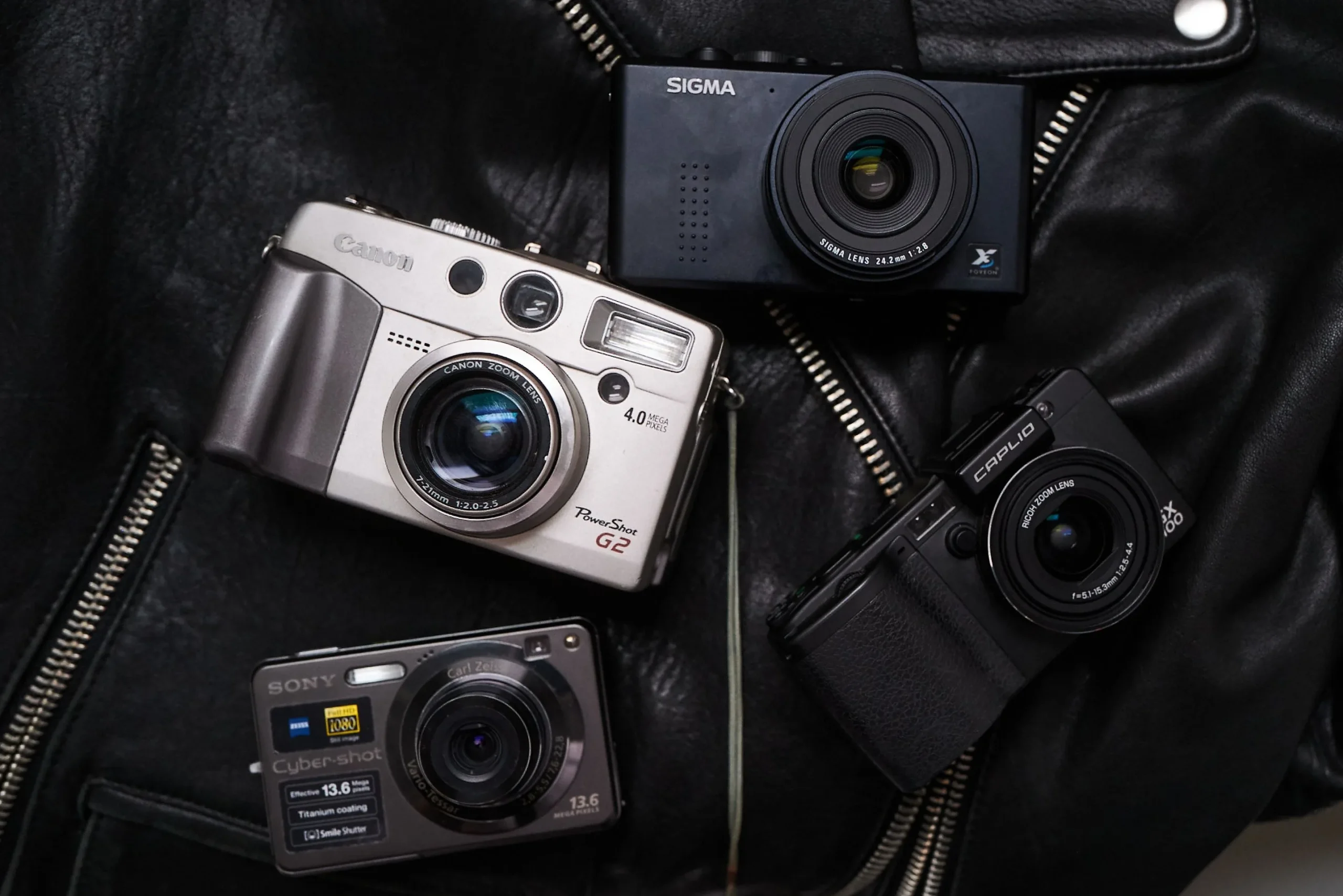
In today’s creative world, visual aesthetics are not just about sharpness and clarity — they are about feeling, memory, and cultural nostalgia. Among the many trends sweeping across social media and creative communities, the Retro Y2K Digital Camera Film Style has made a compelling comeback, blending early‑2000s digital imaging charm with contemporary artistic intentions. This article will explore the roots of this visual movement, how it influences modern photography, and why it resonates so deeply with creatives and audiences alike.
Over the past few years, a renewed interest in early digital imagery — blurred hues, grainy detail, saturated tones — has emerged, not as a throwback to the past, but as a celebration of simplicity and imperfection. This interest is what fuels the Retro Y2K Digital Camera Film Style, where visuals look intentionally retro, nostalgic, and aesthetically distinctive compared to high‑definition modern imagery.
Origins of the Y2K Aesthetic and Digital Camera Culture
To truly understand the Retro Y2K Digital Camera Film Style, we have to look at the broader Y2K aesthetic, a cultural and visual trend originating in the late 1990s and early 2000s. The term Y2K originally referred to the year 2000 and related technological concerns, but it has since evolved to describe a distinct stylistic era spanning fashion, music, design, and digital culture.
What Was Y2K Aesthetic?
The Y2K aesthetic is characterized by futuristic yet retro design elements — bold metallics, synthetic textures, glossy surfaces, and early digital culture icons. These influences shaped technology, fashion, and visual arts of the era, leaving an imprint that many creators now revisit for nostalgic and stylistic inspiration.
Early Digital Cameras: The Foundations of a Visual Look
During the early digital era, digital cameras — often called “digicams” — were celebrated not for pixel perfection, but for their charm, unique color processing, and accessible point‑and‑shoot convenience. These early devices often produced images with distinctive grain, softness, and unpredictable color tones, which are now central to what we call the Retro Y2K Digital Camera Film Style.
Photographers and enthusiasts today deliberately recreate that look — not out of nostalgia alone, but because it offers a creative escape from the hyper‑polished images of contemporary digital photography.
What Defines Retro Y2K Digital Camera Film Style
The Retro Y2K Digital Camera Film Style is not merely about using old equipment; it’s about embracing a philosophy of visual storytelling that prizes mood, memory, and character over scientific accuracy.
Soft Focus and Grain
One unmistakable feature of this style is softness — images are often slightly less focused and more textured. This grainy look echoes analog film and early digital sensors that lacked today’s sophisticated image processing.
Unique Color Tonality
Early digital cameras had sensors that rendered colors differently from modern devices — often warmer or more muted, sometimes washed out in highlights, yet rich in mid‑tone contrast. This color footprint is now a nostalgic signature embraced by creators.
Imperfection as Aesthetic
Unlike modern digital photography, where noise and artifacts are flaws, the Retro Y2K Digital Camera Film Style treats them as artistic elements. From light leaks to uneven exposures, these imperfections add mood and character to images.
Why This Style Is Popular Today
People are drawn to Retro Y2K Digital Camera Film Style for a variety of reasons, and it’s much more than a nostalgic fad.
Emotional Resonance and Memory
For creators and audiences alike, visuals reminiscent of early digital memories evoke personal experiences — family photos, school events, and early web culture. In a world saturated with perfect images, the grain and tones of Y2K‑inspired visuals feel honest, raw, and evocative.
Creative Contrast
Many artists seek contrast to everyday polished photography. By leaning into analog‑like characteristics through digital means, they challenge traditional norms of perfection in imaging.
Social Media Influence
Social platforms like TikTok and Instagram often highlight retro aesthetic trends, influencing younger generations to explore styles that feel authentic and visually distinctive.
Techniques to Achieve Retro Y2K Digital Camera Style
While authentic early digital cameras contribute to the aesthetic, there are many creative techniques modern photographers use to evoke the Retro Y2K Digital Camera Film Style:
Use of Film‑Simulating Filters
Many editing tools offer presets that mimic early digital and film looks — adding grain, adjusting contrast, and modifying tonal balance to resemble vintage output.
Embracing Low‑Fidelity Traits
Rather than removing noise or artifacts, creators may enhance them, allowing visual quirks to become intentional stylistic components.
Mixed Media Workflow
Combining physical techniques — such as shooting with toy lenses or analog cameras — then digitizing and editing further accentuates the retro aesthetic.
Applications of Retro Y2K Digital Camera Film Style
This visual trend extends into many creative disciplines:
Portrait Photography
Softness and warm tones lend a nostalgic feel to portraits, making subjects appear timeless and evocative.
Urban and Street Scenes
Early digital camera looks often complement candid street photography — capturing everyday life with a raw, expressive edge.
Artistic and Conceptual Projects
Creators leverage this style for storytelling — visuals that feel like fragments of memories, dreams, or alternate histories.
Creative and Technical Considerations
Equipment Choices
While vintage digicams are desirable for authenticity, they may have technical limitations (e.g., outdated memory formats or battery issues). Creators often adapt them with modern storage or supplementary lighting to balance style with practicality.
Post‑Processing Aesthetics
Software editing remains crucial — editors balance color, exposure, and texture to craft images that feel retro yet intentionally artistic.
Connecting Retro Aesthetics to Broader Visual Culture
The resurgence of Y2K visuals isn’t isolated; it’s part of a larger appreciation for tactile, imperfect, and expressive imagery. Techniques like Lo‑fi photography — where low‑fidelity results are embraced for aesthetic effect — align very well with this movement.
Because digital perfection can sometimes feel detached from emotion, creators turn to styles like Retro Y2K Digital Camera Film Style to reconnect imagery with memory, mood, and human experience.
Intrigued by crafting unique visuals? You might find value in video editing and creative workflows described in Everything You Need to Know About LightWorks – Business To Mark, which offers insight into professional editing tools that can complement your photographic projects.
Another resource on digital storytelling and innovative trends on What Is Plangud? » Business To Mark explores creativity and digital culture in modern contexts.
Final Thoughts
The Retro Y2K Digital Camera Film Style is more than an aesthetic trend — it’s a creative movement that reimagines early digital imperfections as expressive tools. By embracing these visual signatures, photographers and artists craft images that feel nostalgic, emotive, and uniquely human. In a world increasingly defined by digital precision, the charm of imperfection and cultural memory continues to inspire new generations of creative storytellers.
